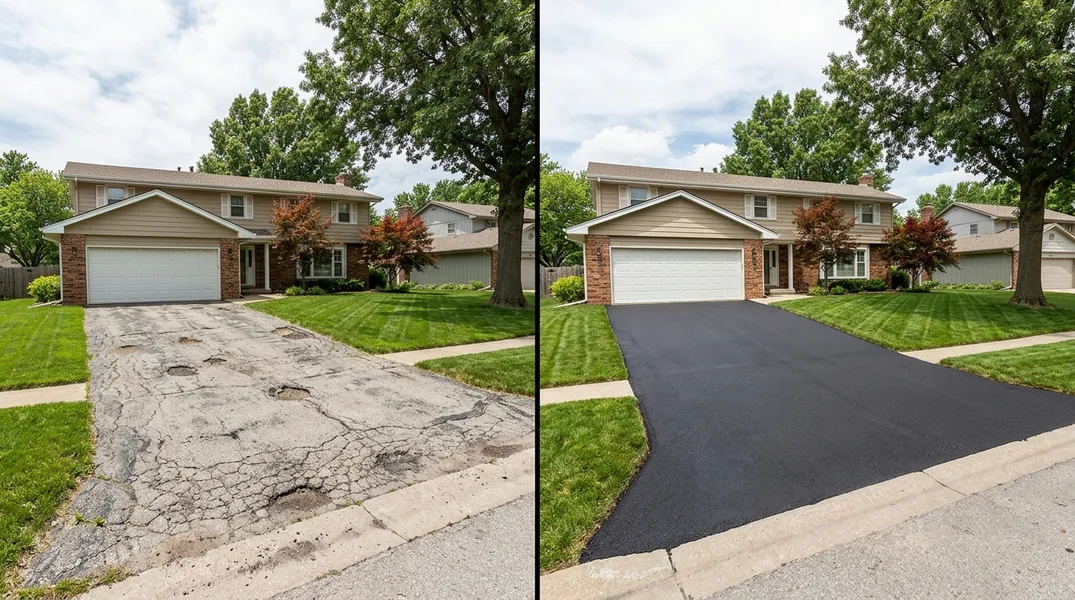
Understanding Asphalt Driveway Lifespan in Lincoln's Climate
If you own a home in Lincoln, you know that winter weather is no joke. The freeze-thaw cycle that defines Nebraska winters is one of the toughest challenges for asphalt driveways. Under ideal conditions with proper maintenance, asphalt typically lasts 20 to 30 years. However, in Lincoln's climate, where temperatures regularly dip below freezing and then warm up again, the realistic lifespan often falls between 15 and 20 years.
The freeze-thaw process works like this: water seeps into small cracks in the asphalt, freezes, expands, and then thaws, making the cracks larger. Over multiple winters, this cycle accelerates deterioration far beyond what you'd see in milder climates. This is why understanding your driveway's age and condition is critical for planning maintenance and knowing when you'll need Asphalt Driveway Paving & Installation services.
Key Factors That Affect How Long Your Driveway Lasts
Several variables influence exactly how long your asphalt driveway will hold up. The quality of the initial installation is paramount. If your driveway was laid by experienced professionals using proper techniques and high-quality materials, it will naturally last longer than one installed hastily or with substandard asphalt mix. The thickness of the asphalt layer also matters significantly. A properly installed residential driveway should be at least 2 to 3 inches thick, with a solid base underneath. Thinner installations will fail much sooner, especially under Lincoln's demanding weather patterns.
Maintenance habits play an enormous role in extending your driveway's life. Driveways that are sealed every two to three years, kept clean, and repaired promptly when small problems appear will outlast neglected ones by many years. Conversely, heavy vehicle traffic, particularly from trucks or RVs parked regularly on the same spots, accelerates wear. Exposure to road salt, oil spills, and UV radiation also shortens lifespan. Additionally, proper drainage is essential. If water pools on your driveway or drains toward the foundation rather than away from it, you'll see premature failure. The base layer underneath your asphalt matters too. A well-compacted gravel or crushed stone base provides better support and drainage than a poor foundation.
Signs Your Driveway Is Reaching the End of Its Life
Recognizing the warning signs that your driveway is aging helps you plan for replacement or repairs before catastrophic failure occurs. Early signs include small surface cracks, fading color, and minor potholes. These issues can often be addressed with Pothole Repair & Asphalt Patching services. However, if you're seeing extensive cracking patterns (alligator cracking, where the surface resembles a reptile's skin), large potholes, significant rutting, or chunks of asphalt breaking away, your driveway is likely nearing the end of its serviceable life.
Another telltale sign is water pooling on the surface or visible soft spots where the asphalt feels spongy underfoot. These symptoms indicate that the base layer is failing and water is not draining properly. If your driveway is between 15 and 20 years old and showing multiple signs of distress, replacement is probably the most cost-effective solution. Attempting repeated repairs on a failing driveway becomes expensive and frustrating. At this point, investing in new Asphalt Driveway Paving & Installation makes more financial sense than continuing to patch problems.
When to Repair vs. When to Replace Your Driveway
Deciding whether to repair or replace your driveway depends on several factors. If your driveway is less than 10 years old and showing isolated problems, repair is usually the right choice. Driveway Repair services can address specific issues like potholes, cracks, and surface deterioration without the expense of full replacement. However, if your driveway is between 15 and 20 years old, has extensive damage covering more than 30 percent of the surface, or if you're dealing with multiple large problem areas, replacement is typically more economical in the long run.
A middle-ground option is Asphalt Resurfacing & Overlay, which involves applying a new layer of asphalt over the existing surface. This approach works well when the base layer is still sound but the top surface is worn. Resurfacing costs less than full replacement and can add 10 to 15 years to your driveway's life. To determine the best course of action for your specific situation, contact Lincoln Asphalt Paving at (402) 858-2768 for a professional assessment. A trained technician can evaluate your driveway's condition and recommend the most cost-effective solution.
Extending Your Driveway's Life: Maintenance Tips for Lincoln Homeowners
Proactive maintenance is the single best way to maximize your asphalt driveway's lifespan. Seal coating should be applied every two to three years. This protective layer shields the asphalt from UV rays, water infiltration, and chemical damage. In Lincoln's climate, where winter weather is particularly harsh, seal coating is not optional. It's a relatively inexpensive preventive measure that can add years to your driveway's life. Additionally, address cracks promptly. Small cracks are easy and affordable to repair, but if left unattended, they expand due to freeze-thaw cycles, leading to expensive pothole repairs.
Keep your driveway clean by sweeping debris regularly and removing oil stains as soon as they appear. Avoid using harsh de-icing chemicals that can damage asphalt. Instead, use sand or kitty litter for traction during icy conditions. Ensure proper drainage by keeping gutters clean so water flows away from your driveway, and avoid parking heavy vehicles in the same spot repeatedly. If you notice standing water after rain, you may need to address grading or drainage issues. Finally, limit heavy loads on your driveway. While asphalt can handle normal passenger vehicles, regularly parking large trucks or RVs accelerates deterioration. These simple maintenance habits can extend your driveway's life by several years.
Asphalt Driveway Paving & Installation Cost in Lincoln: What to Budget
Understanding the financial investment required for a new driveway helps you plan ahead. The cost of Asphalt Driveway Paving & Installation varies based on driveway size, site conditions, and current material costs. A typical residential driveway replacement in Lincoln ranges from several thousand to tens of thousands of dollars, depending on square footage and complexity. Repairs and seal coating are significantly less expensive, making them attractive options for younger driveways. Asphalt Resurfacing & Overlay typically costs less than full replacement but more than repairs.
Rather than guessing, the best approach is to get a professional evaluation and detailed quote. Lincoln Asphalt Paving offers free estimates so you can understand the exact pricing for your project before making a decision. Contact us at (402) 858-2768 or visit our website to request your free estimate. Investing in quality installation or resurfacing now can prevent much costlier emergency repairs or replacement down the road. Think of driveway maintenance as an investment in your home's curb appeal, safety, and property value.
Looking for a professional asphalt paving contractor in Lincoln? Lincoln Asphalt Paving responds fast for all your asphalt paving needs.
Get a Free Quote